Processing times vary, but it can take 12 to 24 months for a permanent Partner Visa, depending on your circumstances and the strength of your application.

Plan Your Future in Melbourne
Your Trusted Partner for Study, Career & Migration Success
Your Trusted Partner for Study, Career & Migration Success
Contact Information
- Suite 1, Level 2, 85 Queen Street, Melbourne VIC 3000
- +613 9602 5683
- [email protected]
STAY CONNECTED
Get the latest updates on study options, visa changes, and migration opportunities in Australia.
Partner Visa
Maven Consulting Group > Partner Visa
Visa Types
Partner Visa – Join Your Loved One in Australia
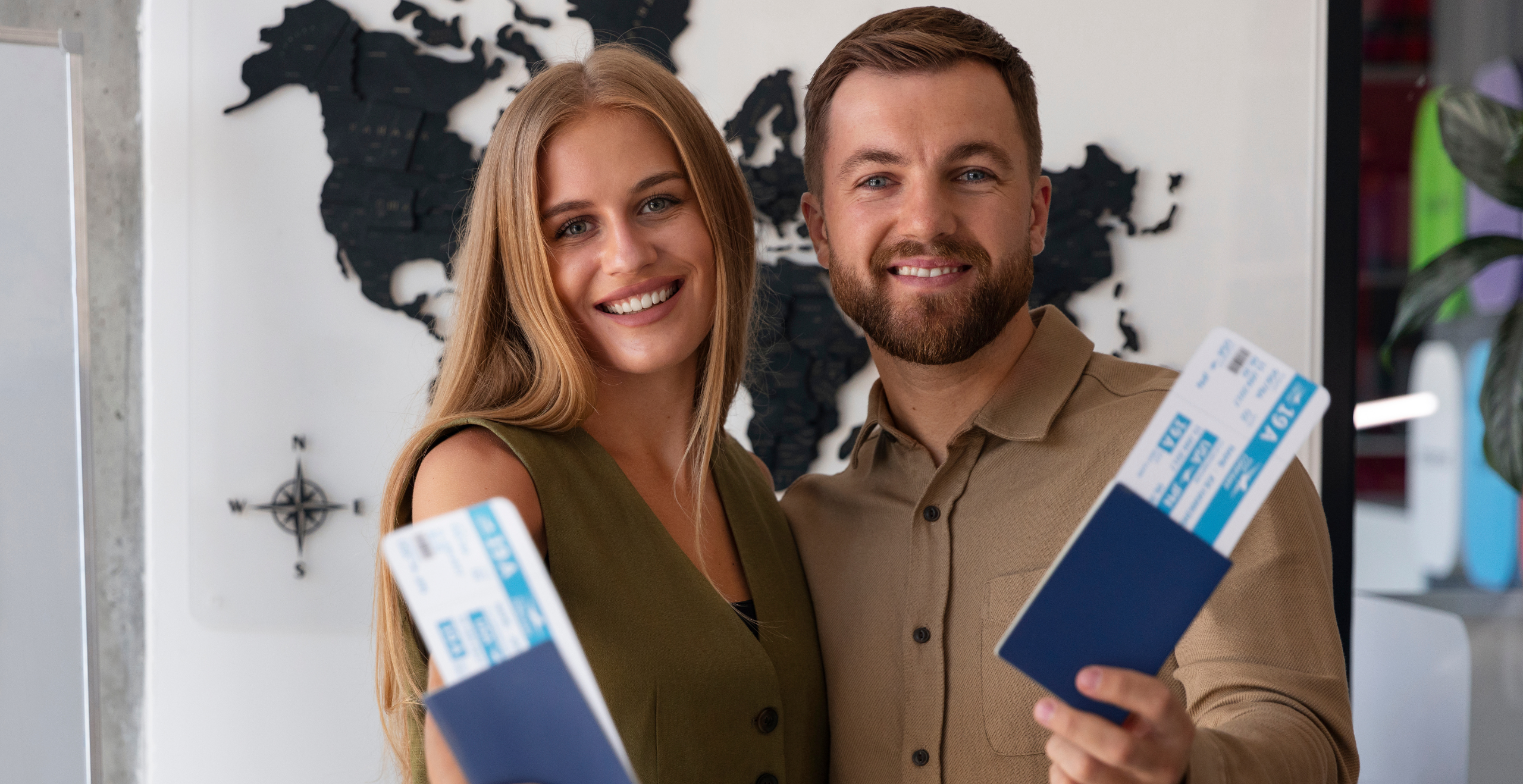
Being close to your loved ones is important, and Australia’s Partner Visa allows you to reunite with your spouse or de facto partner and build a life together. If your partner is an Australian citizen, permanent resident, or eligible New Zealand citizen, this visa provides the pathway for you to live, work, and study in Australia with them.
At Maven Consulting Group Melbourne, we understand how emotional and important this journey is. Our role is to guide you through the process with compassion, accuracy, and expertise, ensuring your application has the best chance of success.
What Is the Partner Visa?
The Partner Visa lets the spouse or de facto partner of an eligible sponsor live in Australia. It is generally granted in two stages:
- Temporary Partner Visa (Subclass 820 / 309): Allows you to live in Australia temporarily while your permanent visa is being processed.
- Permanent Partner Visa (Subclass 801 / 100): Granted after meeting eligibility and relationship requirements, usually two years after applying.
Who can apply?
To be eligible for a Partner Visa, you must:
- Be married to or in a genuine de facto relationship with an Australian citizen, permanent resident, or eligible New Zealand citizen.
- Show evidence of a genuine and continuing relationship (joint financials, living arrangements, social commitments, etc.)
- Meet health and character requirements.
- Be sponsored by your partner, who must meet sponsorship obligations.
Benefits of the Partner Visa
- Live in Australia with your partner.
- Work and study without restrictions.
- Access to Medicare (Australia’s public healthcare system).
- Opportunity to apply for permanent residency.
- Travel freely in and out of Australia while the visa is valid.
Key Documents Required
- Proof of identity (passport, birth certificate).
- Marriage certificate or evidence of de facto relationship.
- Joint financial documents (bank accounts, bills, lease agreements).
- Statements from friends and family confirming your relationship.
- Photos and communication records as supporting evidence.
- Police and health checks.
How Maven Consulting Group Melbourne Helps
Applying for a Partner Visa can be one of the most complex visa applications due to the high level of evidence required. Many applications are delayed or refused because of missing documents or poorly presented relationship evidence.
Our team at Maven Consulting Group Melbourne provides:
- Expert advice on choosing the correct visa pathway (onshore or offshore).
- Assistance in preparing strong, credible relationship evidence.
- Guidance for both the applicant and sponsor on their obligations.
- Careful preparation and submission of your visa application.
- Ongoing support until a decision is made.
With us, you’re not just lodging paperwork—you’re building your future with confidence and the support of professionals who care about your success.
Frequently Asked Questions
-
How long does it take to get a Partner Visa?
-
Do we need to be married to apply?
No. You can apply if you are in a de facto relationship (living together for at least 12 months) or married. Evidence of a genuine, ongoing relationship is essential.
-
Can I work while on a Partner Visa?
Yes. Once your temporary Partner Visa (820 or 309) is granted, you will have full work rights in Australia.
-
What kind of evidence do we need to provide?
You’ll need to show that your relationship is genuine through financial, social, household, and emotional evidence. This includes joint accounts, bills, photos, travel together, and statutory declarations from friends and family.
-
What if my relationship ends after the visa is granted?
If the relationship breaks down, your visa may be affected. However, in cases of domestic violence or other compassionate circumstances, there may be exceptions.
Hello 👋
How can we help you?
How can we help you?
Open Chat